St. Louis’s
Leading Cranial
Remolding Specialists
- Helping Babies Grow with Confidence.
Over 98% of babies complete treatment in one helmet, helping families save time, stress, and expense.
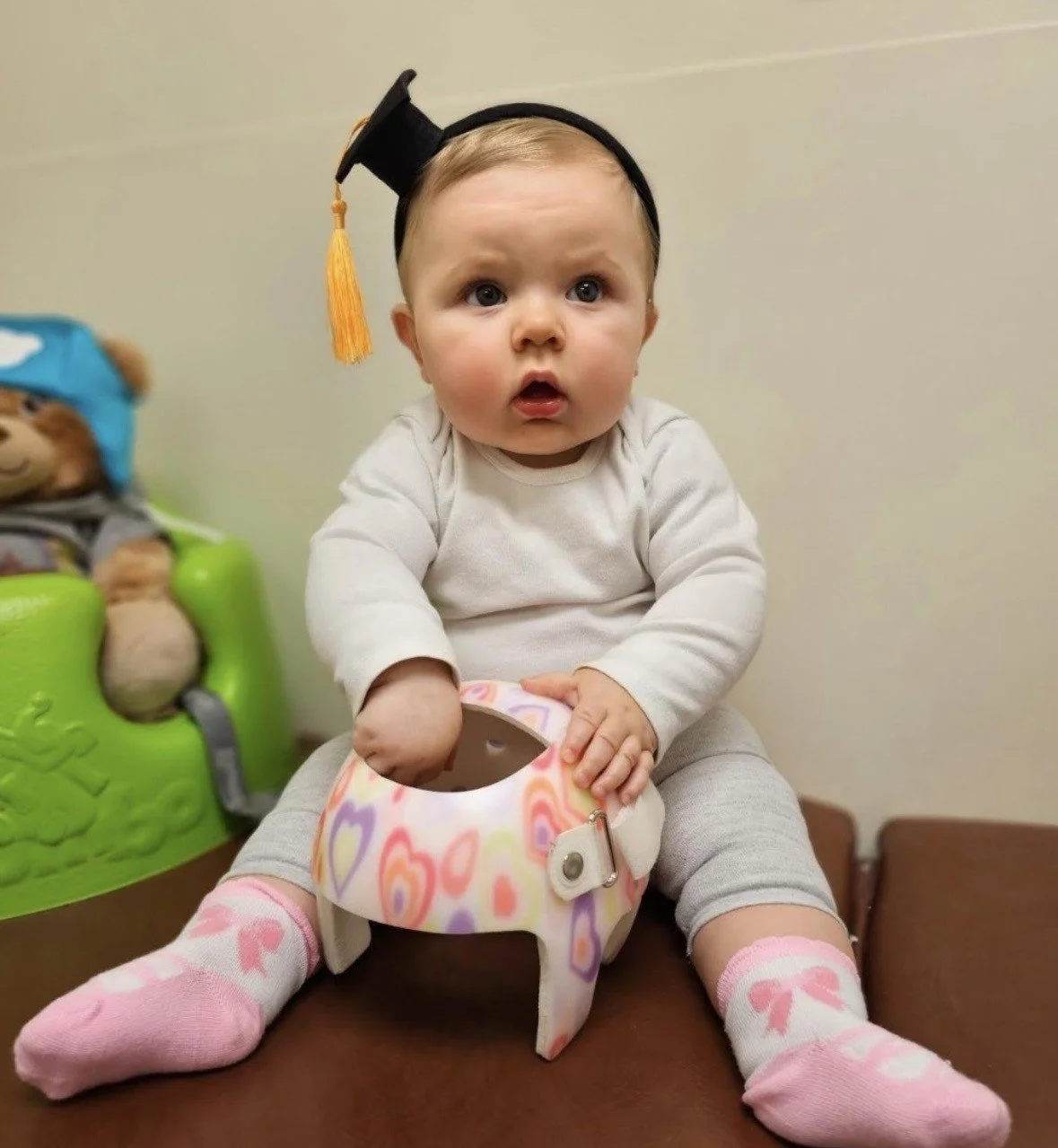
Have you noticed the shape of your baby’s head?
You are not alone!
Up to 50% of infants develop some degree of head shape flattening during the first few months of life.
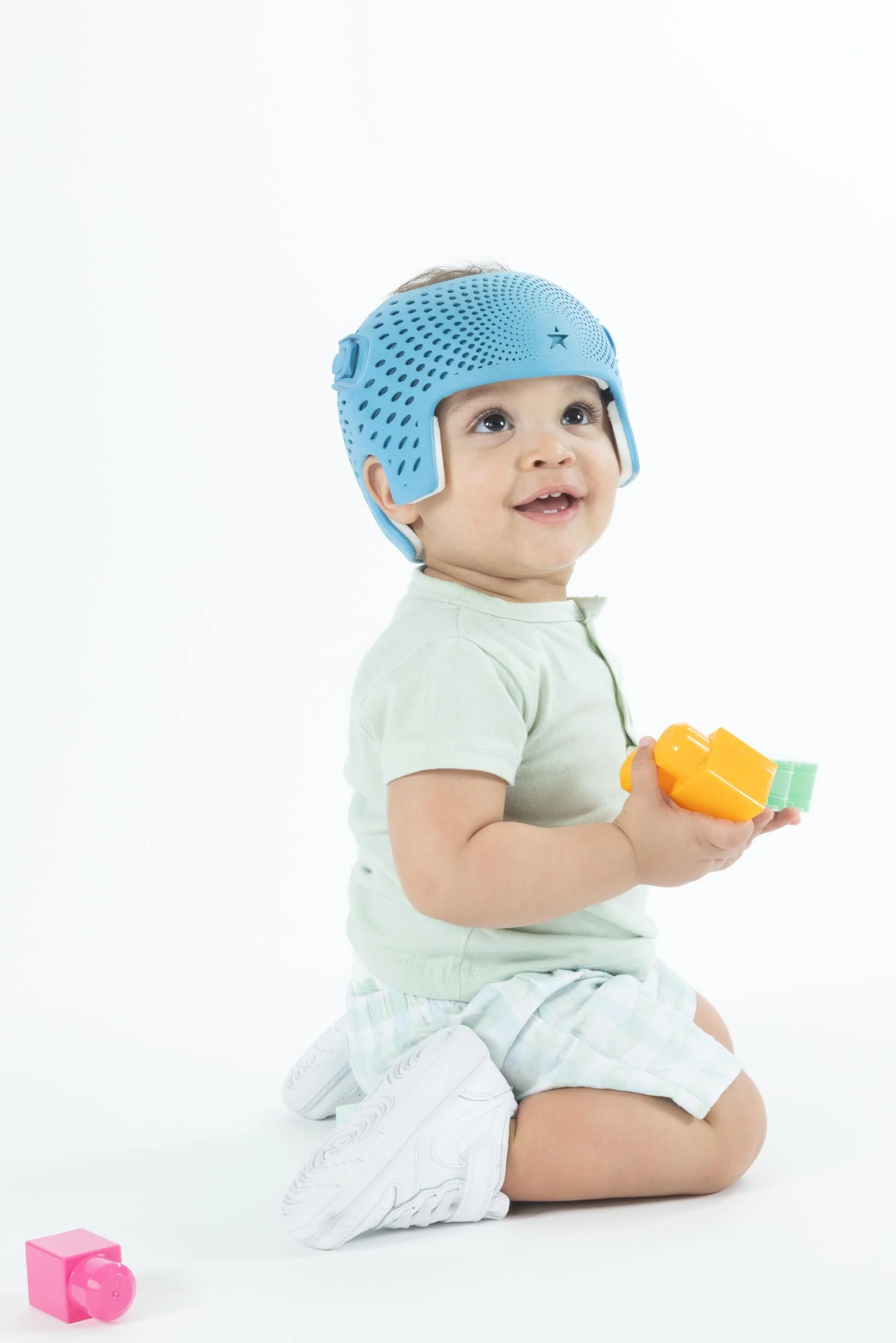
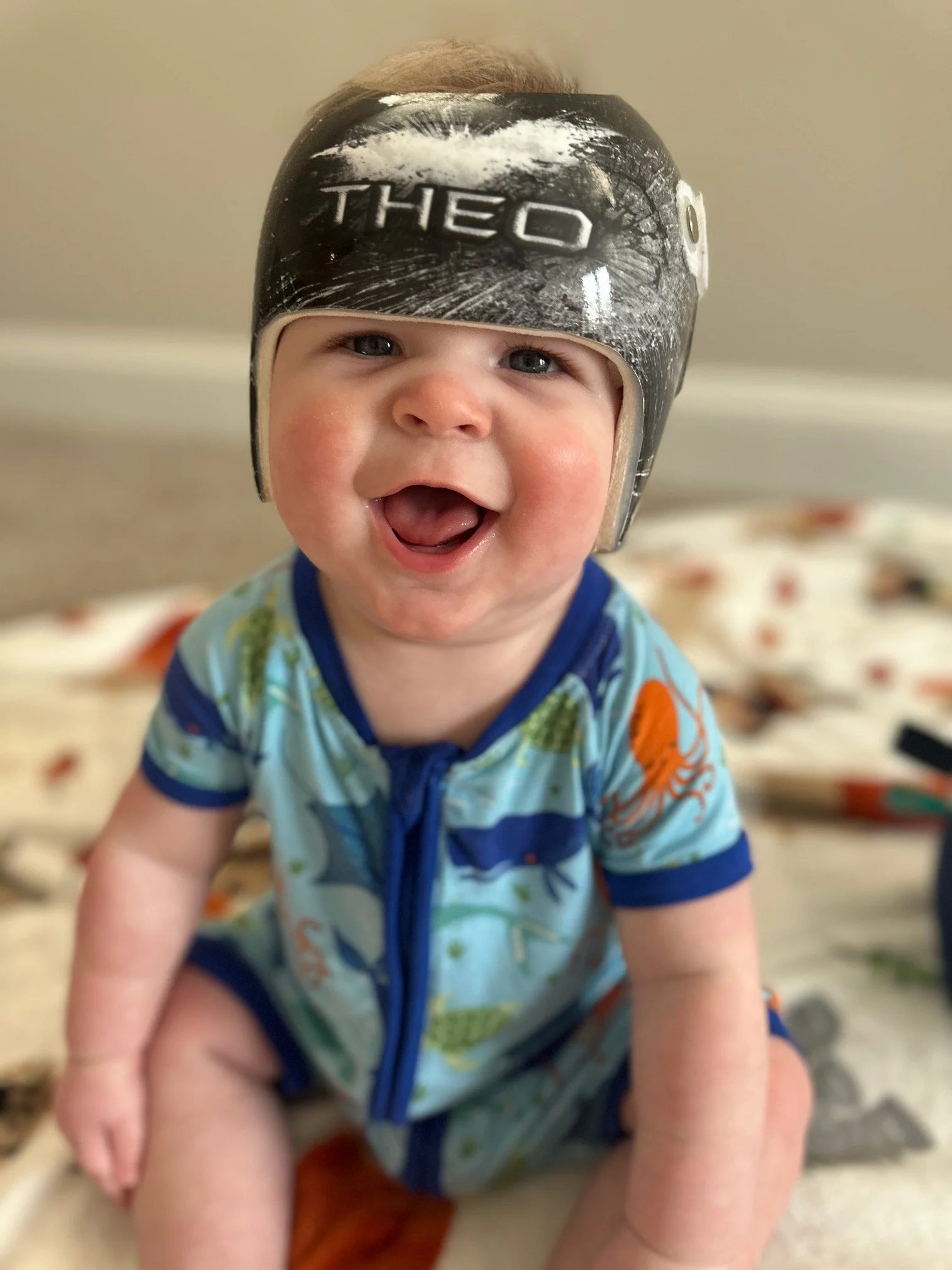
Real Babies. Real Results.
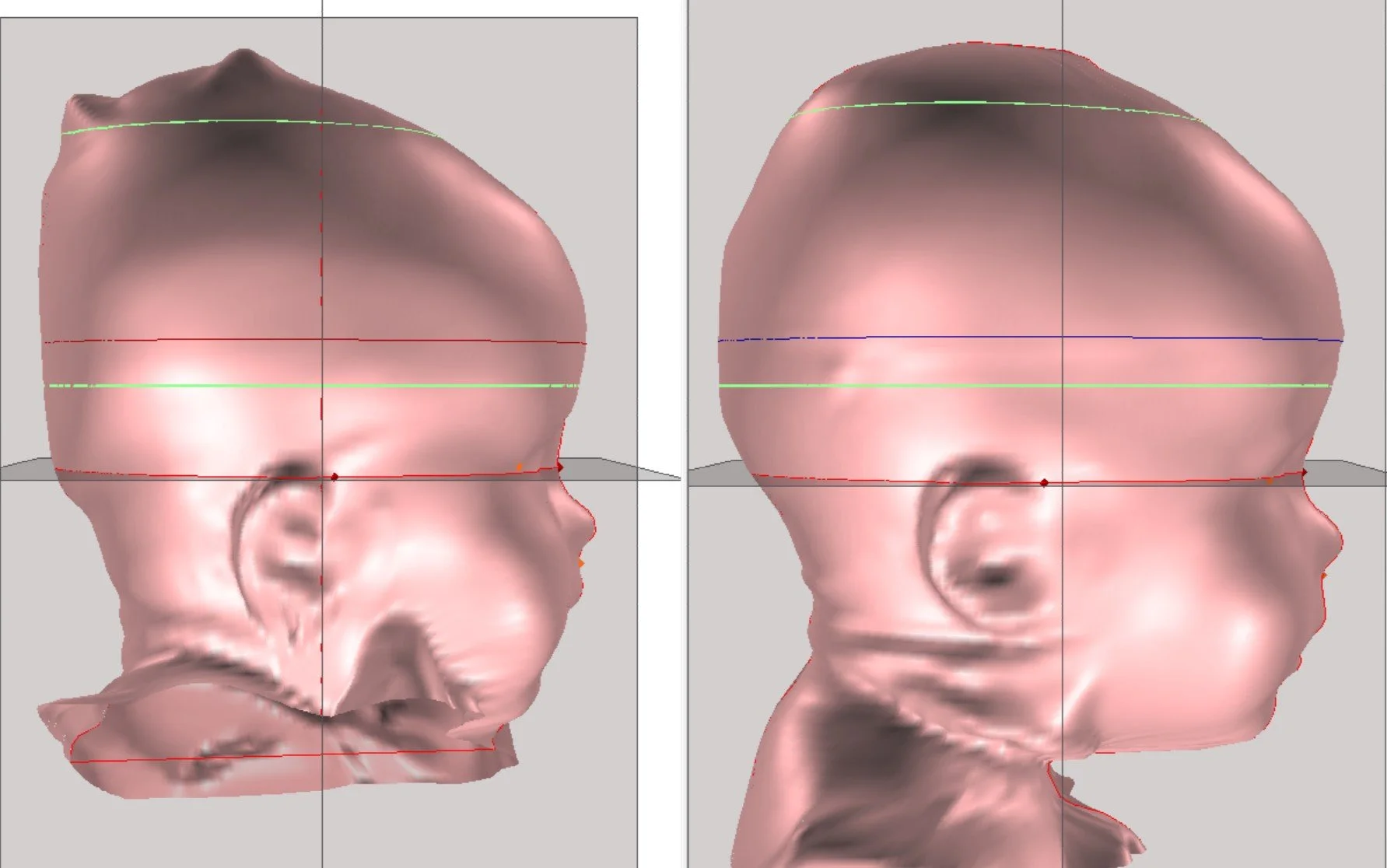
BEFORE
AFTER
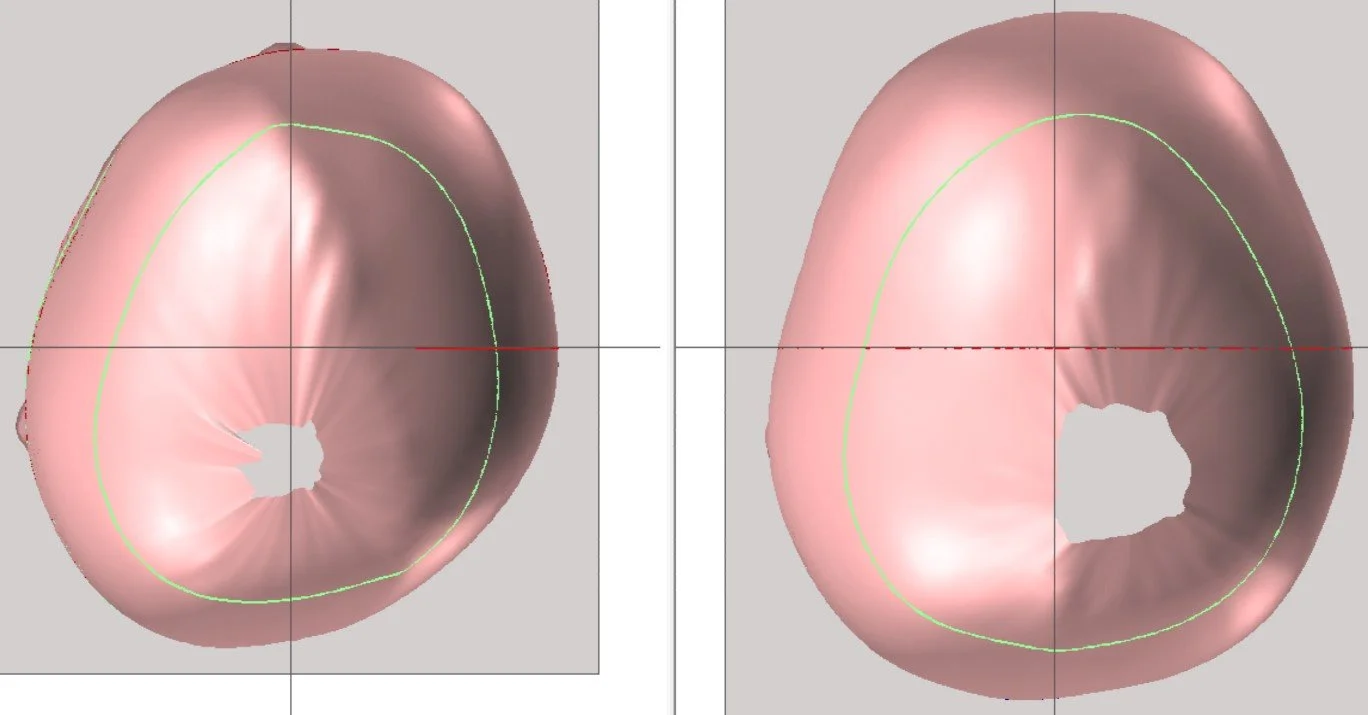
BEFORE
AFTER
Why chose Orthotic & Prosthetic Lab for your infant’s care?
The St. Louis region's highest-volume cranial remolding provider
Over 98% of patients complete treatment with one helmet
STARband® Cranial Course Certified providers
ABC Certified Orthotists at every location
Advanced 3D digital scanning & monthly progress tracking
Expertise in both deformational and post-surgical cranial care
Compassionate, patient-centered care from evaluation to graduation
Transparent pricing with no hidden fees
What to expect
Initial Office Visit
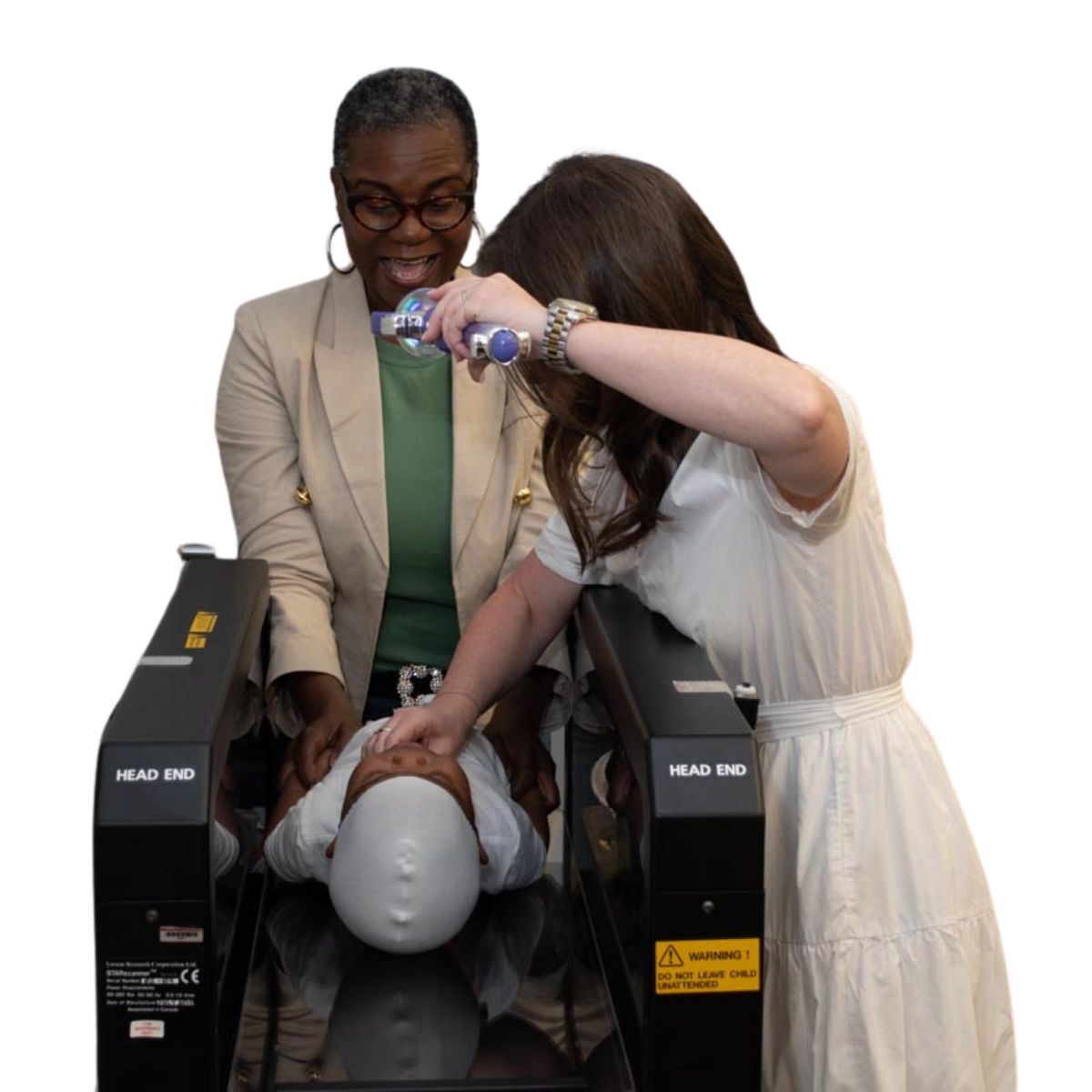
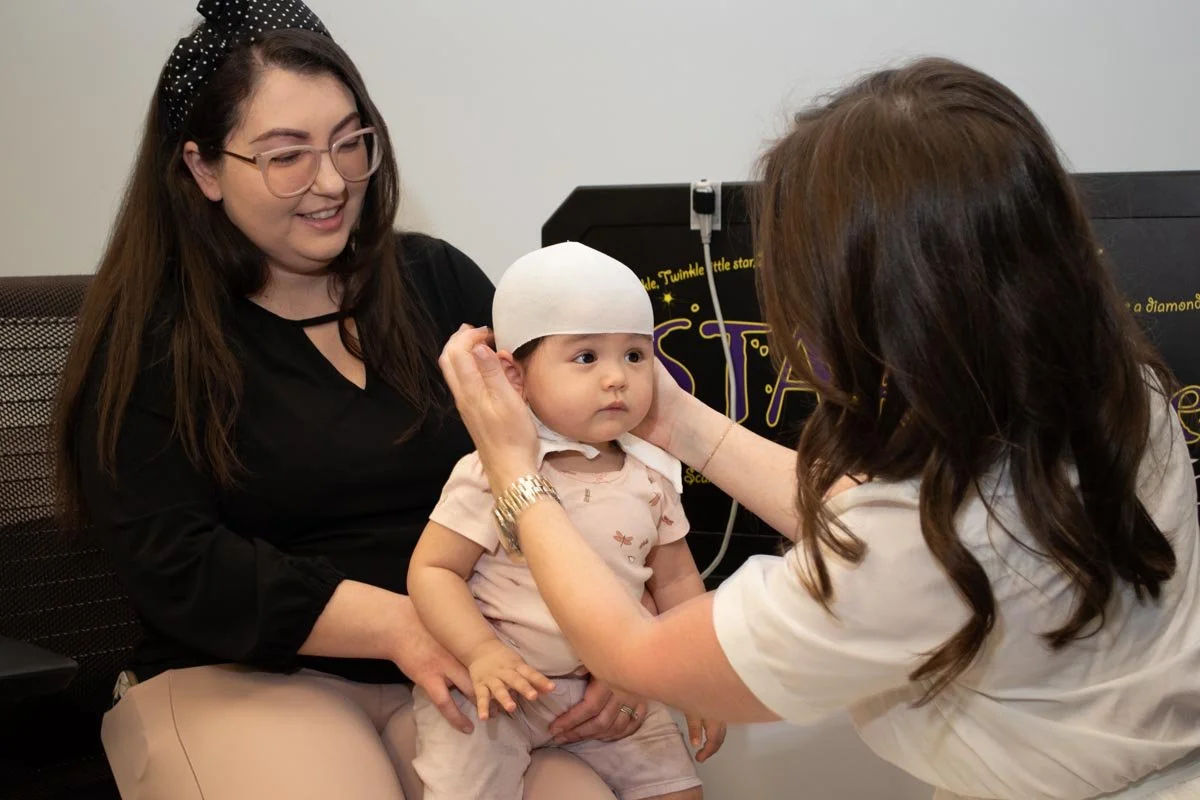
Your Cranial Care Specialists will conduct a thorough evaluation of your baby, gather medical history, take clinical scans/measurements/photographs, and outline the entire headband program.
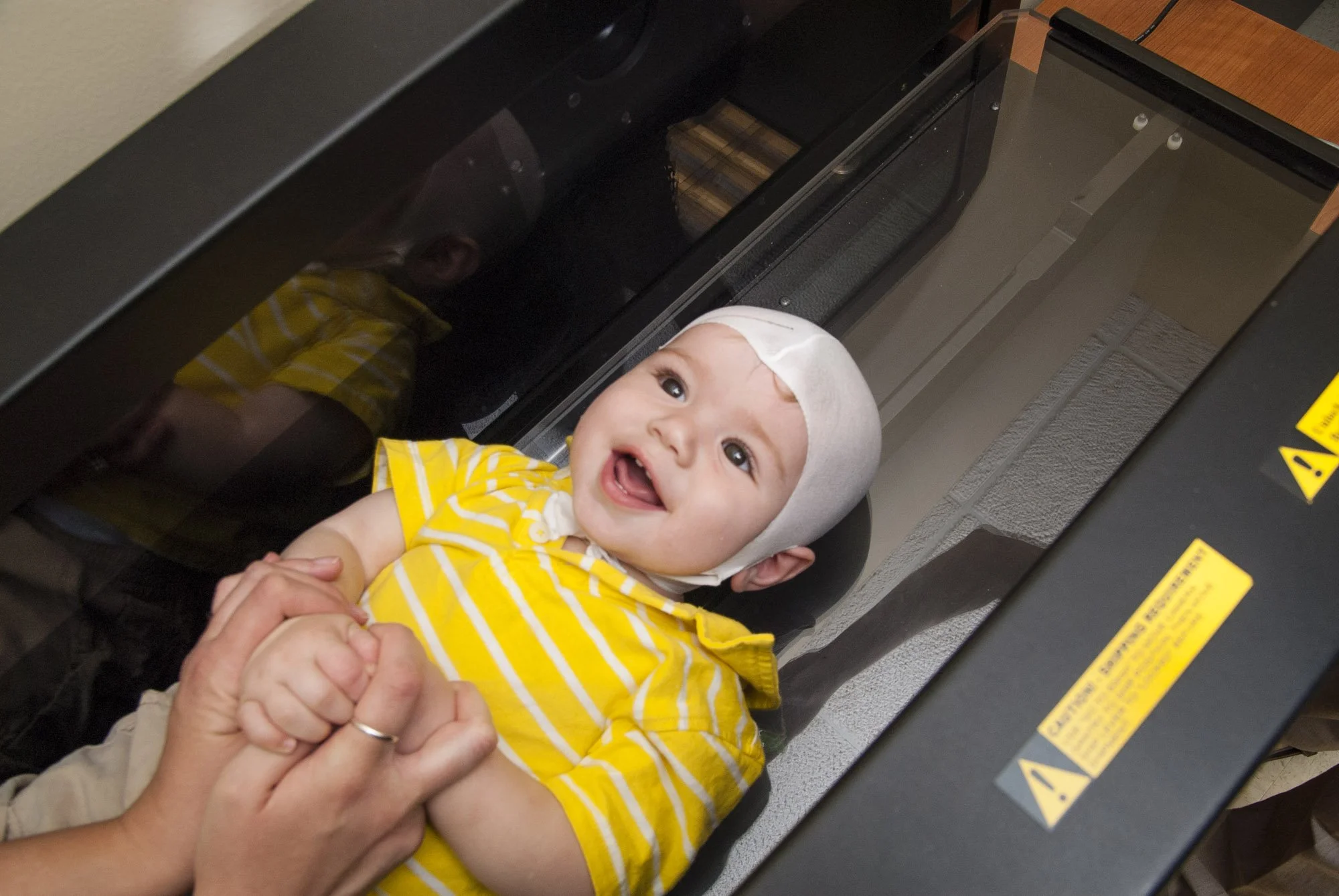
STARscanner
At Orthotic and Prosthetic Lab, our Cranial Care Specialists use STARband’s FDA cleared STARscanner data acquisition system. This is the most accurate laser scanner available for cranial applications. These scanners are extremely accurate and quickly capture the shape of the baby’s head. This scanning process is the foundation for an incredibly accurate model to be sent for fabrication of the STARband.
Once a scan is obtained, the Cranial Care Specialist will speak with you about your options. Many different factors, including severity and age, determine which design is best for your baby.
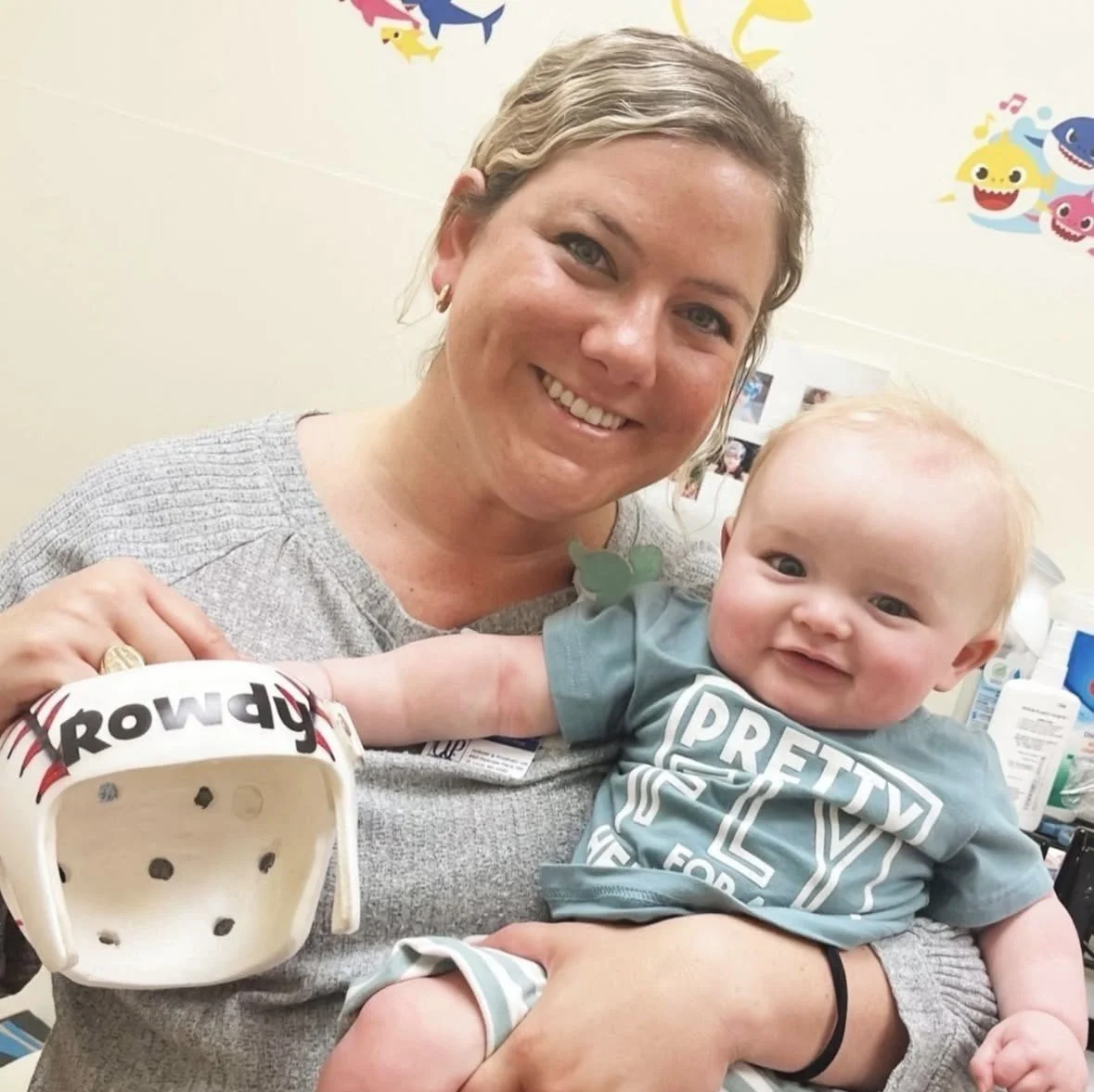
About 2 weeks later, your child will receive their headband. At this appointment, custom trim lines and openings will be established based on your baby’s unique head shape. Additionally, Cranial Care Specialists will go over all important information with you - including how to properly don and doff the headband, how to keep it clean, how often you should be taking breaks, and things to watch out for.
Delivery Appointment
After the fitting of the headband, ongoing visits are extremely important to ensure optimal fit and function of the device. The headband creates a precise pathway to direct your child’s head towards optimal growth dimensions. Just as growth spurts occur throughout the entire body , head growth also occurs in spurts. The Cranial Care Specialists will evaluate and adjust the headband as needed at each visit throughout the entire treatment to ensure optimal correction is being achieved. On average, babies are seen about every four weeks for follow ups, however additional appointments are welcome if parents or caregivers have questions or concerns.
Follow Up Appointments
Tracking Your Baby's Progress
One of the most exciting parts of each follow-up visit is seeing how much your baby's head shape has improved.
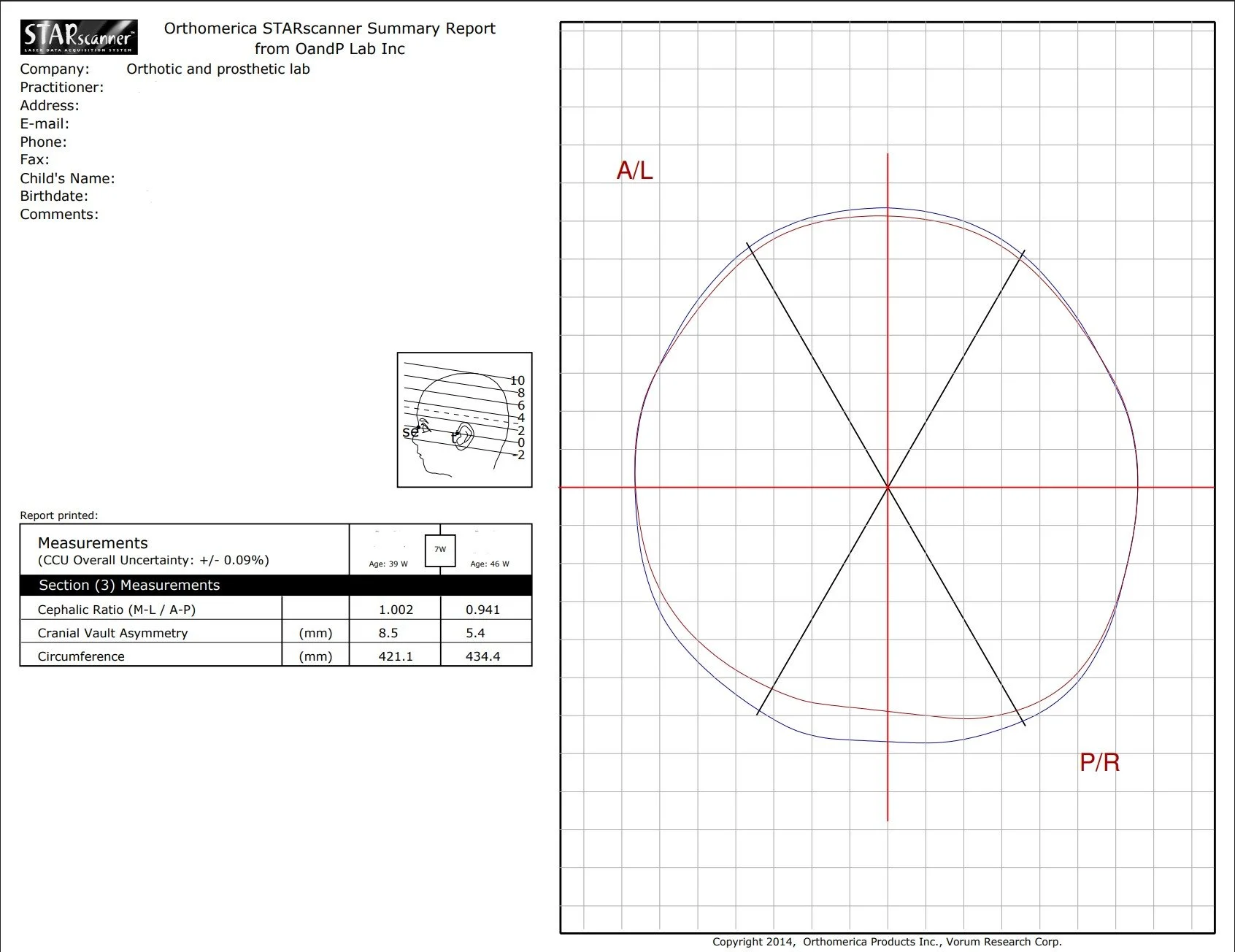
At every appointment, you'll receive a STARscanner® Summary Report—a personalized progress report that allows you to see your child's growth and treatment results over time. We believe parents should understand not only how treatment is progressing, but why each visit matters.
What’s Included on Your Report?
Key Measurements
Your report includes the three primary measurements we use to monitor treatment:
Cephalic Ratio (CR): Measures the proportion of your baby's head from side-to-side compared to front-to-back, helping us evaluate head width and overall shape.
Cranial Vault Asymmetry (CVA): Measures the difference between diagonal measurements of the skull to track improvement in asymmetry.
Head Circumference: Tracks your baby's natural head growth throughout treatment.
Progress Comparisons
Each report compares your baby's current measurements with previous visits, allowing you to see how treatment is progressing over time. Watching these numbers improve month after month helps demonstrate the effectiveness of cranial remolding therapy.
Visual Head Shape Comparison
In addition to the measurements, the report includes an easy-to-understand outline of your baby's head shape. The overlay compares the current scan with an earlier scan, allowing you to see the changes in symmetry and overall shape that may be difficult to notice from day to day.
A Keepsake of Your Baby's Journey
Many parents tell us these reports become one of their favorite parts of treatment. Not only do they provide reassurance that your baby's helmet is working as intended, but they also create a meaningful record of your child's progress from the first scan to the last.
Our goal is for every family to leave each follow-up appointment feeling informed, encouraged, and confident in their baby's progress.
Ideally, headband programs are begun between four and six months of age. This time period captures the greatest natural growth of the infant’s brain and skull, and decreases the amount of time needed to wear the orthosis and obtain optimal results. In most cases, these treatment programs are three to five months in length and correction is obtained with just one headband. Older infants will likely require a slightly longer treatment program, but also complete treatment with a single STARband.
Length of Treatment